Weighted Abs Training: Should You Add Resistance?
When it comes to building stronger and more defined abs, many people start with bodyweight exercises like crunches, planks, and leg raises. These are excellent for beginners, but progress can slow once your body adapts. That’s where weighted abs training comes in. Adding resistance helps increase muscle activation, build strength faster, and push past training plateaus. However, it should be used as a progression tool—not a replacement for good form and consistency.
6/12/20263 min read
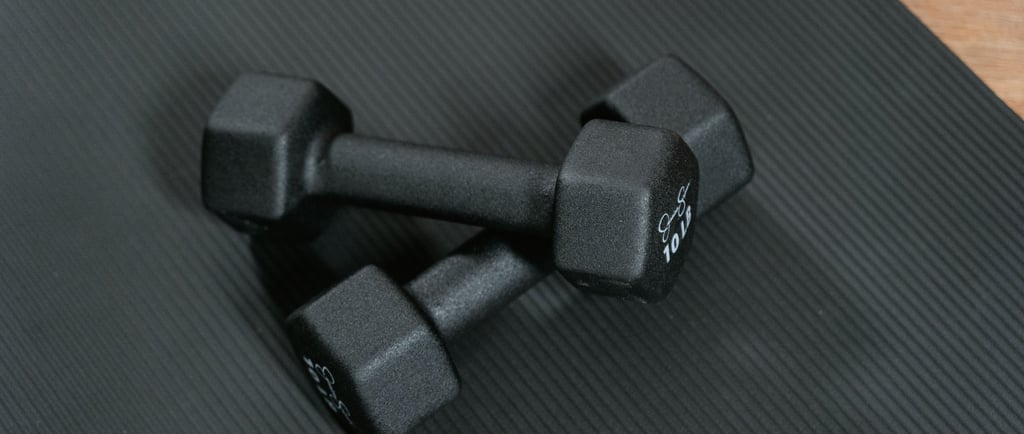
What Is Weighted Abs Training?
Weighted abs training means performing core exercises while holding external resistance to increase difficulty.
Common equipment includes:
Dumbbells
Weight plates
Medicine balls
Cable machines
Ankle weights
The goal is simple: increase resistance so your abs must work harder.
This added load improves muscle tension, which is one of the key drivers of muscle growth and strength development over time.
Do You Need Weights for Abs?
Not necessarily.
Bodyweight exercises alone can build a strong core, especially for beginners. The key early on is learning proper form and core engagement.However, once exercises feel easy, adding resistance can help:
Build more muscle
Improve definition
Strengthen the core further
Prevent plateaus
It’s also worth noting that many athletes and fitness models use both bodyweight and weighted ab training together for best results, rather than choosing just one.
Best Weighted Ab Exercises:
1. Weighted Crunches
Weighted crunches are a progression of basic crunches that directly target the upper abs.
Why This Works
Adding resistance increases tension on the abdominal muscles, which helps improve strength and muscle growth over time.This exercise is especially effective for building the “six-pack” area when combined with proper nutrition.
How to Perform Weighted Crunches
Lie on your back with knees bent.
Hold a dumbbell or weight plate on your chest.
Engage your core and lift your upper body slowly.
Squeeze your abs at the top.
Lower slowly back down.
Repeat for 10–15 reps.
Recommended Sets:3 sets
Affiliate Products:Adjustable Dumbbells
2. Weighted Russian Twists
Weighted Russian twists target the obliques and help build rotational core strength.
Why This Works
The twisting motion combined with resistance helps strengthen the sides of your waist and improves core control.This exercise also improves athletic movement, especially in sports that require rotation.
How to Perform Weighted Russian Twists
Sit on the floor with knees bent.
Lean back slightly while keeping your core tight.
Hold a medicine ball or dumbbell.
Rotate to the right side.
Rotate to the left side.
Continue alternating for 20 reps.
Recommended Sets:3 sets
Affiliate Products:Yoga Mat
3. Cable Crunches
Cable crunches provide constant resistance throughout the entire movement, making them highly effective for ab development
Why This Works
Unlike bodyweight crunches, cables keep your abs under tension the entire time, which increases time under load — an important factor for muscle growth.
How to Perform Cable Crunches
Attach a rope to a cable machine.
Kneel facing the machine.
Hold the rope near your head.
Crunch downward using your abs.
Return slowly to starting position.
Repeat for 12 reps.
Recommended Sets:3 sets
Affiliate Products:Gym Gloves
4. Weighted Leg Raises
Weighted leg raises focus on the lower abs and improve core control.
Why This Works
The added ankle weights increase resistance, forcing the lower abs to work harder throughout the movement.This exercise also helps improve hip flexor strength and overall core stability.
How to Perform Weighted Leg Raises
Lie flat on your back.
Place ankle weights on your legs.
Keep legs straight.
Lift legs slowly upward.
Lower slowly without touching the floor.
Repeat for 12–15 reps.
Recommended Sets:3 sets
Should Beginners Use Weighted Abs Training?
Beginners should focus on bodyweight exercises first.
Prioritize:
Proper form
Core engagement
Consistency
Once bodyweight exercises become easy, adding resistance is a natural progression.
A good rule of thumb is: if you can easily complete 15–20 reps with perfect form, it may be time to add resistance.
Common Mistakes
Using too much weight too soon
Rushing through reps
Poor core engagement
Ignoring nutrition and expecting visible abs from training alone
Another common issue is relying only on ab workouts while neglecting full-body training and cardio, which are also important for overall fat loss and definition.
Sample Weighted Abs Workout
Try this 2–3 times per week:
Weighted Crunches — 3 x 12
Russian Twists — 3 x 20
Cable Crunches — 3 x 12
Weighted Leg Raises — 3 x 12
Rest 45–60 seconds between sets.
This routine takes around 15–25 minutes and can easily be added to the end of a full workout session.
Final Thoughts
Weighted abs training is a powerful way to take your core workouts to the next level once bodyweight exercises stop feeling challenging.It builds strength, improves definition, and enhances overall core performance — but only when combined with proper form, consistency, and good nutrition.The best results usually come from combining weighted and bodyweight ab exercises rather than relying on just one method.